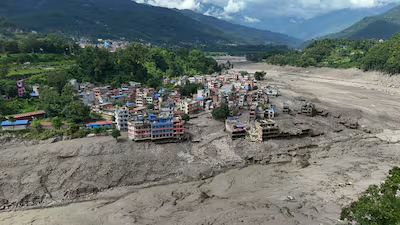
The Nepal Flash Floods 2026 have emerged as one of the most devastating natural disasters in the Himalayan region this year. A catastrophic flash flood struck areas near the Nepal–China border on August 26, 2026, causing widespread destruction across parts of northern Nepal. The disaster affected villages, roads, bridges and critical infrastructure, while rescue teams continued searching for missing people.
The flooding was particularly severe in Rasuwa District and along the Bhotekoshi River corridor. According to reports available on August 27, at least 165 people had died in Nepal, while hundreds and potentially more than 1,000 people remained missing across the wider Nepal–Tibet disaster zone. Because rescue and identification operations were still underway, casualty figures could change.
What Happened in Nepal?
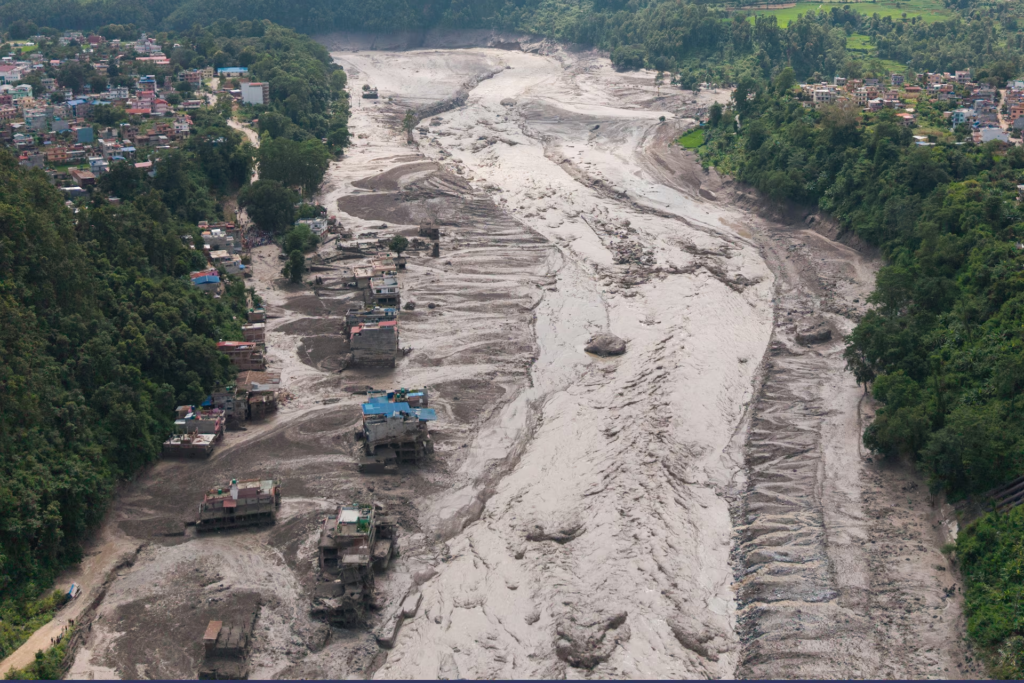
The flash flood developed extremely quickly in a mountainous area close to the Nepal–China border. A collapse involving Himalayan ice and rock caused a massive surge of water and debris into the river system. The resulting flood moved rapidly downstream, damaging settlements and infrastructure.
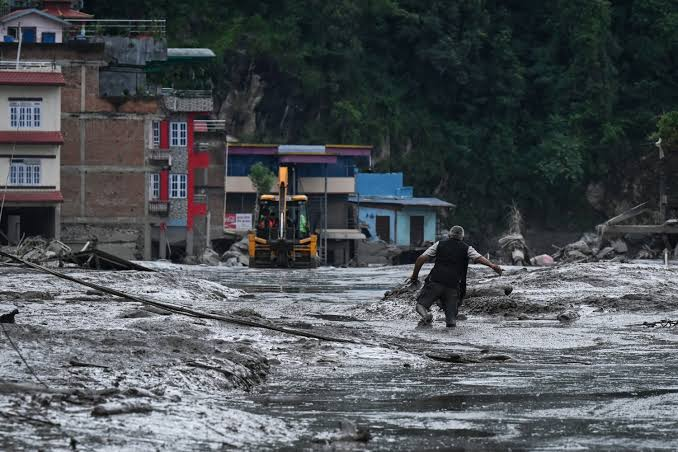
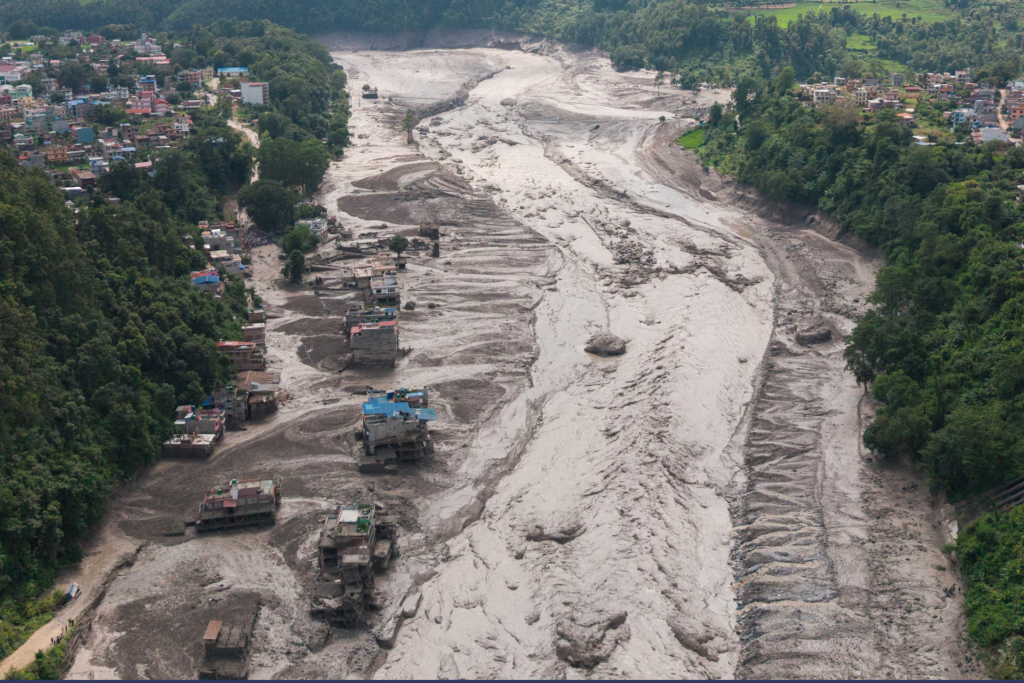
The Bhotekoshi River and surrounding valleys were among the worst-affected areas. Roads and bridges were washed away, communication networks were disrupted and several communities became difficult for rescuers to reach.
Unlike ordinary river flooding, a flash flood can develop with very little warning. In mountainous regions, a sudden release of water combined with rocks, mud and debris can produce an extremely destructive flow.
What Caused the Nepal Flash Floods 2026?
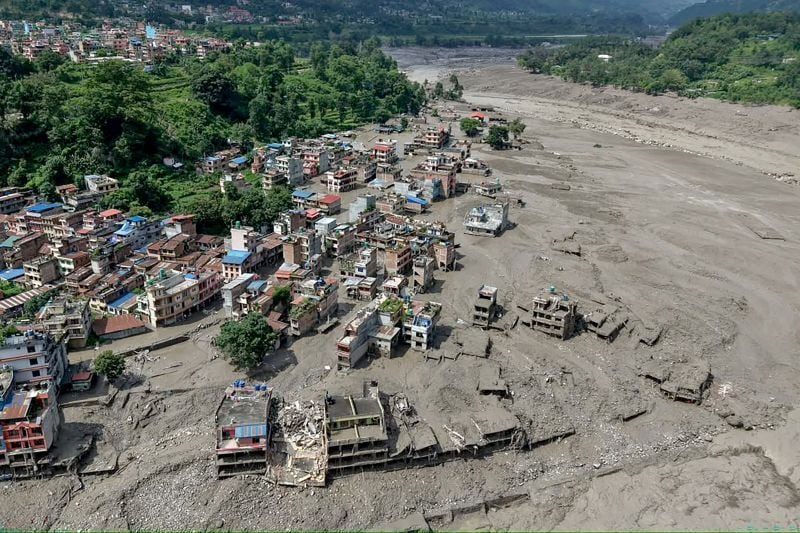
Early reports initially raised questions about whether an earthquake had triggered the event. Later analysis indicated that the disaster was associated with a glacial collapse and landslide, which sent a huge volume of ice, rock and debris into the river valley.
Reuters reported that the collapse in the Himalayan region produced a powerful flow through the Lhende Khola River, contributing to the catastrophic flooding downstream.
The incident also highlights the vulnerability of the Himalayas to rapidly changing environmental conditions. Scientists have increasingly focused on the risks associated with glacier retreat, unstable slopes and extreme weather in high-mountain environments.
Areas Affected by the Floods
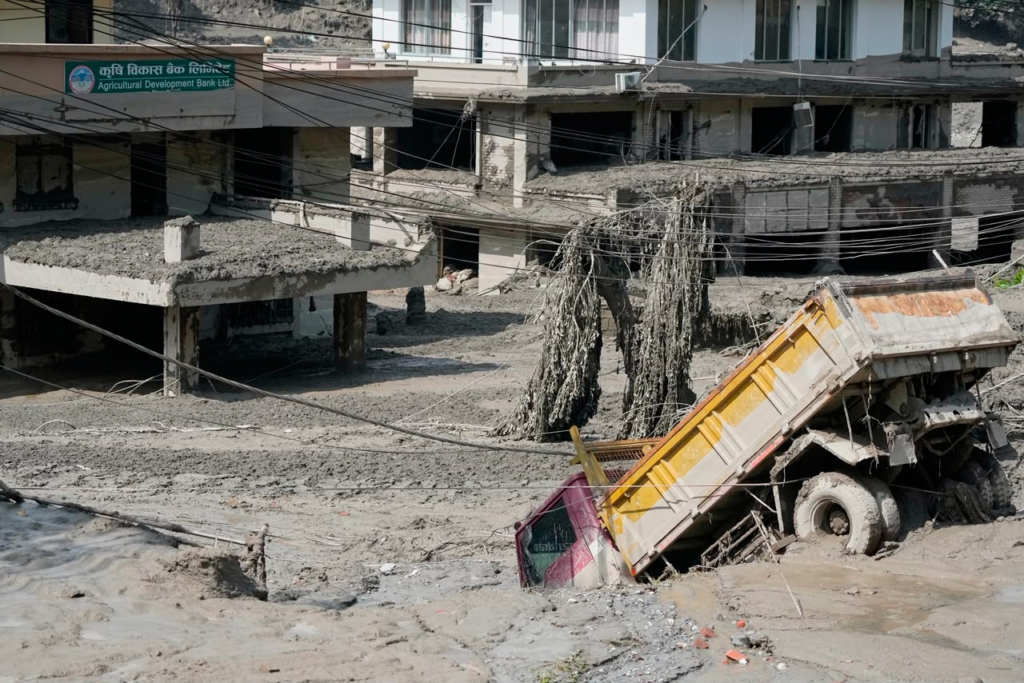
Rasuwa District was among the areas facing severe destruction. Settlements along the river corridor were hit by the sudden flood, while other districts also reported damage.
According to local reporting, communities including areas around Syaphrubesi, Betrawati, Mailung, Salletar, Shantibazar, Pairebesi, Khalti Basti, Sole, Trishuli and Battar were affected by the disaster.
The flood also affected the important road network connecting Nepal with the Tibet region. Several bridges and stretches of road were damaged, making transportation and rescue operations more difficult.
Death Toll and Missing People
The human cost of the Nepal flash floods has been severe. By August 27, reports indicated that at least 165 people had been killed in Nepal, with a large number of people still missing. The exact number continued to change as rescue teams reached isolated areas and authorities identified victims.
The disaster also affected foreign tourists, workers and pilgrims travelling through the region. Authorities and rescue agencies were working to identify missing people and locate survivors.
Because communication systems and roads were damaged, authorities faced major challenges in establishing the complete scale of the disaster.
Damage to Roads, Bridges and Infrastructure
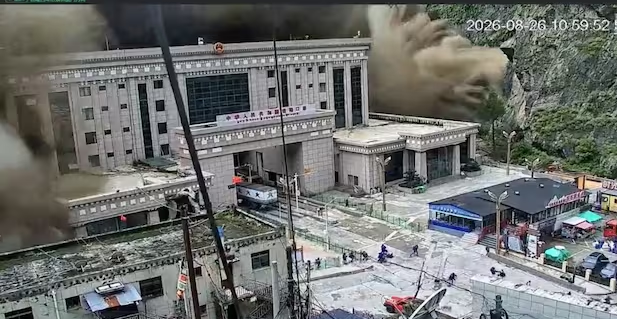
One of the most serious consequences of the Nepal floods 2026 has been the destruction of infrastructure.
The powerful floodwaters carried rocks, mud and debris through river valleys, damaging:
- Roads and highways
- Bridges
- Houses and commercial buildings
- Electricity infrastructure
- Communication networks
- Hydropower-related infrastructure
- Border and transport facilities
The destruction of transportation routes has made emergency response more complicated. Helicopters and rescue teams have therefore played an important role in reaching isolated communities.
Rescue and Relief Operations
Following the disaster, Nepal launched major search-and-rescue operations involving security forces, emergency personnel and helicopters. Rescue teams have been working to locate missing people, evacuate survivors and deliver essential supplies.
Reuters reported that thousands of personnel were involved in rescue operations, while helicopters were being used to transport emergency supplies and assist survivors.
However, continuing difficult weather, damaged roads, thick mud and unstable terrain have created additional challenges for rescue workers.
Impact on Tourism and Pilgrims
Nepal is globally known for its mountains, trekking routes and religious tourism. The 2026 flash floods have therefore created serious concerns for tourists and pilgrims travelling through northern Nepal.
Several missing people were reported to be foreign nationals, including tourists and pilgrims travelling toward the Himalayan region and Mount Kailash routes.
The disaster could also affect local tourism businesses, transportation services and communities that depend heavily on visitors during the trekking and pilgrimage seasons.
Why Are Himalayan Floods So Dangerous?
Nepal’s geography makes it particularly vulnerable to flash floods and landslides. Many settlements and transportation routes are located in narrow valleys beside rivers and steep mountain slopes.
When large amounts of water suddenly enter these valleys, the water can move rapidly while carrying rocks, trees and soil. This combination dramatically increases the destructive power of flooding.
Climate change is also an important long-term concern. Scientists have warned that warming temperatures can contribute to glacier and permafrost changes, potentially increasing hazards in some high-mountain environments.
Lessons from Nepal Flash Floods 2026
The disaster provides several important lessons for Himalayan countries. Stronger early-warning systems, improved disaster preparedness and better monitoring of glaciers and unstable mountain slopes can help reduce future risks.
Infrastructure in vulnerable areas also needs to be designed with extreme weather and flood hazards in mind. Communities living near rivers should have access to reliable warnings and clearly planned emergency evacuation systems.
International cooperation is equally important because Himalayan rivers and disaster risks cross national boundaries.
Conclusion
The Nepal Flash Floods 2026 are a tragic reminder of how quickly natural hazards can transform into humanitarian disasters. The August 26 event caused extensive loss of life and severe damage to communities and infrastructure near the Nepal–China border.
As rescue operations continue, the immediate priorities remain finding missing people, supporting survivors and restoring essential transportation and communication networks. At the same time, the disaster underlines the importance of stronger Himalayan disaster-preparedness systems, glacier monitoring and climate-risk planning.
The full impact of the Nepal floods will become clearer as search-and-rescue teams reach more affected areas. For now, the disaster stands as one of the most serious flood emergencies to strike the Himalayan region in 2026.